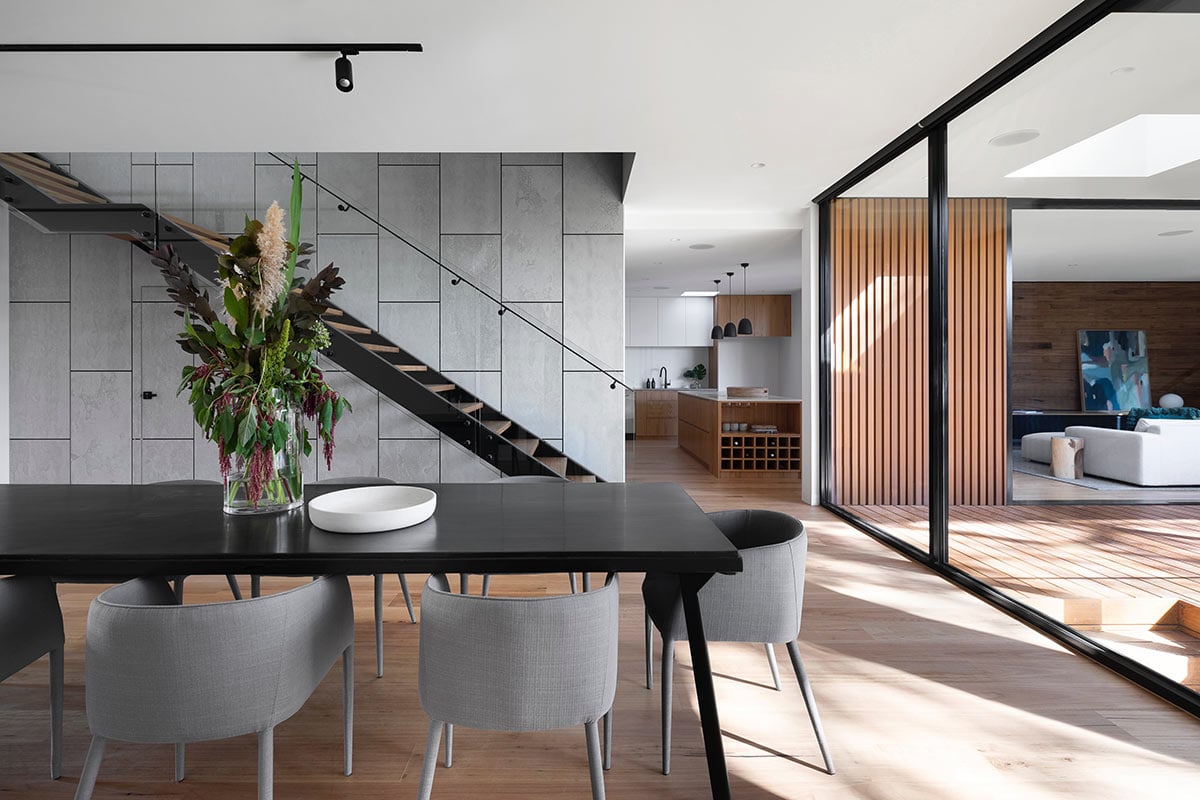

I grew up in a house with wooden floors. Not the engineered kind. Real timber planks that creaked in specific spots and had marks from decades of furniture being moved around. My parents never thought of those floors as décor. They were just the floor. But every house I’ve lived in since has felt slightly off without something similar underfoot.
That’s the thing about wood. It doesn’t announce itself. It just makes a space feel right in a way that takes a while to notice and a long time to forget.
This piece is about wooden home décor in the truest sense. Not the watered-down version where someone suggests putting a wooden tray on your kitchen counter and calling it a day. Real thinking about why wood works in homes the way it does and how to use it in ways that actually matter.
Wood Never Goes Out of Style and Here Is Why
Every decade brings a new dominant aesthetic in home design. The materials that survive every single transition are the ones worth paying attention to.
Wood has been present in every significant design movement of the last hundred years. It showed up in mid-century modern spaces as teak sideboards and walnut dining tables. It showed up in Scandinavian design as pale birch and ash against white walls. It showed up in industrial interiors as reclaimed timber against raw concrete and steel. It is showing up now in organic modern spaces as pale oak with clean lines and honest finishes.
The reason is not nostalgia. Wood is genuinely versatile in a way that synthetic materials are not. The same species reads completely differently depending on how it is finished and what surrounds it. Light raw oak in a minimal white room feels contemporary and calm. Aged dark oak in a room with deep paint colors and layered textiles feels traditional and rich. The material adapts to the intention of the space rather than imposing its own rigid aesthetic.
That adaptability is what makes wooden home décor a real investment. A well chosen wooden piece bought today will still feel right in your home through multiple style changes. You cannot say that about most trend purchases.
There Are Two Very Different Ways Wood Shows Up in a Home
This distinction matters more than most décor advice acknowledges.
Wood as furniture is the foundational layer. Dining tables. Bed frames. Bookcases. Chests of drawers. These pieces carry the structural visual weight of a room and the decisions here are consequential because getting them wrong is expensive to fix.
Wood as décor is the detail layer. Bowls. Carved objects. Wall pieces. Frames. Small sculptures. Candle holders. Trays. These pieces build texture and warmth on top of the furniture foundation and they are much more forgiving. You can experiment with the detail layer. You can change it over time. You can let it grow gradually rather than deciding everything at once.
Most rooms that feel like something is missing have invested in one layer without the other. Beautiful wooden furniture with no smaller wooden elements nearby feels like a showroom. Lots of small wooden accessories with no substantial wooden furniture beneath them feels busy without grounding. The two layers working together is what creates a space that feels genuinely considered.
Choosing Wood Species Is Not a Minor Decision
Species shapes character more than most people realize before they start paying close attention.
Oak is the most versatile option across different styles. Light oak reads as fresh and contemporary. Darker older oak reads as substantial and traditional. The grain of oak adds visual texture without overwhelming a space and it responds well to almost any finish.
Walnut is the choice for warmth and richness. The deep brown tones with hints of purple and red give walnut a depth that lighter woods simply do not have. In modern and contemporary spaces walnut prevents rooms from feeling clinical in a way that nothing else quite manages.
Pine is unpretentious and honest about it. Knotty pine with visible grain and warm honey tones belongs in relaxed country and cottage spaces. It is also genuinely affordable at scale which makes it practical for larger pieces when budget matters.
Reclaimed timber is its own category entirely. What it brings is not a particular color or grain but evidence of previous life. Nail holes. Saw marks. Weathering. Color variation from years of use somewhere else before it arrived in your home. Reclaimed wood is genuinely one of a kind in a way that nothing currently in production can be.
Wooden Wall Pieces Are More Powerful Than Most People Use Them
Walls are where people play it safest in home décor and wooden wall pieces are among the most underused tools available.
A single large carved wooden panel mounted as a statement piece does more for a room than a gallery wall of framed prints. The three dimensional quality of carved or textured wood creates shadows and depth that flat artwork cannot produce. The character of the piece changes as the light shifts through the day. It earns its place in a way that few other wall treatments do.
Open wooden shelving used as a display system rather than purely storage is another wall treatment worth thinking seriously about. Solid timber shelves rather than adjustable bracket systems create a feeling of permanence and intention. The wood of the shelves connects visually to wooden objects placed on them and to wooden furniture elsewhere in the room.
A single piece of weathered driftwood mounted horizontally as sculpture rather than decoration reads completely differently from the cliché version. Scale and confidence in placement are everything.
Small Wooden Pieces Are Where Most People Go Wrong
The instinct when decorating with wood is to buy a lot of small things. Ten wooden accessories spread across a room creates visual noise. Three genuinely beautiful pieces given proper space and positioned with care creates something completely different.
What makes a wooden decorative object worth having. Grain that rewards looking at closely. A shape that has been considered rather than defaulted to. Some evidence of the maker in it. Turned wooden bowls made by independent craftspeople are one of the most consistently beautiful objects in this category. The turning process reveals interior grain in ways that flat cut pieces do not and a skilled turner makes shape decisions that are genuinely artistic.
Wooden trays and candle holders show up in almost every well styled interior because they are both useful and beautiful when made well. The difference between a mass produced version and one made from a beautiful piece of timber by someone who cared about the result is obvious in person even when photographs do not capture it.
Wood Works Best in Conversation With Other Materials
A room where everything is wood feels heavy regardless of how beautiful the individual pieces are. Wood needs other materials around it to breathe.
Wood with linen in natural undyed tones creates the organic calm that Scandinavian and Japanese influenced design do so well. The softness of the textile against the harder surface of the timber creates a sensory contrast that is genuinely easy to be around.
Wood with stone creates a sense of being grounded in natural materials. Slate or limestone alongside timber particularly in kitchens and bathrooms where both can be functional as well as beautiful.
Wood with aged brass or copper creates warmth without heaviness. Deep walnut next to warm brass is one of the most reliably sophisticated combinations in contemporary interior design for good reason.
Wood alongside plants is the combination that feels most immediately alive. Something in how we experience a space responds to timber and greenery together in a way that goes beyond aesthetics. Even a single large plant positioned near a substantial wooden piece creates a warmth that is difficult to achieve any other way.
The writers at homedwellio have explored how material combinations in home décor communicate more about a space than any individual choice and wood’s ability to work sympathetically with nearly every other natural material is central to why it remains relevant across every design era.
The Rooms Where Wooden Décor Does Its Best Work
Living rooms benefit from wood at multiple scales. Large furniture pieces anchoring the space. Medium objects on shelves and surfaces. Smaller accessories on coffee tables. Layering the scales creates depth that a single scale cannot.
Bedrooms benefit most from wood at the foundation level. Bed frames. Bedside tables. A dresser. The bedroom rewards material calm and a few well chosen wooden pieces provide warmth without the busyness that too many accessories create.
Kitchens are where wooden home décor makes its most practical arguments. Cutting boards. Utensil holders. Bread boxes. Fruit bowls. These are functional objects that happen to be beautiful when made well. A kitchen using genuinely lovely wooden tools rather than treating wood as purely decorative has a warmth that surfaces and cabinetry alone never achieve.
Entryways are first impressions. A wooden console table. A mirror with a timber frame. Wooden coat hooks. These elements set a tone for the whole home before anyone has seen the rest of it.
The coverage of home and lifestyle trends at homedwellio has noted that the return to natural materials in home design reflects a broader appetite for things that are honest about what they are and where they come from rather than synthetic materials pretending to be something else.
Looking After Wood Is Simpler Than People Think
Solid wood needs occasional oiling or waxing. Heated indoor environments dry wood out over time and a piece that dries completely will eventually crack. Two or three light oilings a year prevent this entirely and keep the wood looking its best.
Direct sunlight is the main threat to wooden pieces. It bleaches and fades unevenly over time leaving some areas lighter than others. Positioning valuable pieces away from direct sun or using window treatments that filter it extends their life significantly.
Scratches are not always the disaster they feel like in the moment. On most species a shallow scratch can be addressed with matching wood oil rubbed along the grain. Worn and marked wood tells a story of use that has its own kind of beauty particularly on older pieces where decades of life are part of the value.
What This All Actually Comes Down To
The homes with the best wooden décor are never the ones with the most carefully matched collections. They are the ones where wood has arrived from different places over time and settled into the space the way things settle when they genuinely belong somewhere.
A piece from a salvage yard. A bowl made by a craftsperson you found at a market. A table that came from a family member. A shelf you built yourself one weekend. None of these match. All of them together create something that no single shopping trip could produce.
Wooden home décor done well is not about styling. It is about accumulating things you genuinely find beautiful and letting them develop a life together over time. The result is always more interesting than anything assembled all at once with a mood board and a shopping cart.